


Can hot - melt adhesive be used for electronic devices?
In the realm of modern electronics, the demand for reliable and efficient bonding solutions is ever - present. As a hot - melt adhesive supplier, I often encounter inquiries regarding the suitability of our products for use in electronic devices. In this blog post, I will delve into the various aspects of using hot - melt adhesives in the electronics industry, exploring their advantages, limitations, and specific applications.
Advantages of Using Hot - Melt Adhesives in Electronic Devices
1. Fast Bonding
One of the most significant advantages of hot - melt adhesives is their rapid bonding speed. Once the adhesive is applied in its molten state and comes into contact with the substrate, it cools and solidifies quickly, forming a strong bond. In the electronics manufacturing process, where high - volume production is the norm, this fast - bonding characteristic can greatly increase production efficiency. For example, when assembling small electronic components, the ability to bond them together in a matter of seconds can streamline the assembly line and reduce production time.
2. Good Adhesion
Hot - melt adhesives offer excellent adhesion to a wide range of materials commonly used in electronic devices, such as plastics, metals, and glass. This versatility allows for the bonding of different components within an electronic device, ensuring a stable and reliable connection. For instance, when attaching a plastic housing to a metal frame in a smartphone, a hot - melt adhesive can provide a strong bond that can withstand the stresses of daily use.
3. No Solvents
Unlike some traditional adhesives that contain solvents, hot - melt adhesives are solvent - free. This makes them a more environmentally friendly option and reduces the risk of chemical emissions during the manufacturing process. In the electronics industry, where concerns about environmental impact and worker safety are paramount, the use of solvent - free adhesives is highly desirable. Additionally, the absence of solvents eliminates the need for drying or curing processes that rely on solvent evaporation, further speeding up the production process.
4. Temperature Resistance
Many hot - melt adhesives have good temperature resistance properties, which is crucial for electronic devices that may be exposed to a wide range of temperatures during their lifespan. For example, in automotive electronics or outdoor electronic equipment, the adhesive needs to maintain its bond strength in both high - temperature and low - temperature environments. Some advanced hot - melt adhesives can withstand temperatures ranging from - 40°C to 120°C or even higher, ensuring the long - term stability of the bonded components.
Types of Hot - Melt Adhesives Suitable for Electronic Devices
1. EVA - Based Hot - Melt Adhesives
Ethylene - vinyl acetate (EVA) hot - melt adhesives are widely used in the electronics industry due to their excellent adhesion to plastics and good flexibility. Hot Melt Adhesive EVA 8001 A is a prime example of an EVA - based hot - melt adhesive that offers strong bonding performance and can be easily processed. These adhesives are often used for bonding plastic components, such as keyboard keys, cable connectors, and small plastic enclosures.
2. Polyurethane (PUR) Hot - Melt Adhesives
PUR hot - melt adhesives are known for their high strength, durability, and resistance to moisture and chemicals. PUR Hot Melt Adhesive Modified Trace - less is a specialized PUR adhesive that is particularly suitable for electronic applications. These adhesives can form a very strong bond with various substrates and are often used in applications where a high - strength and long - lasting bond is required, such as bonding display panels to frames or attaching battery packs to electronic devices.
3. Polyamide Hot - Melt Adhesives
Polyamide hot - melt adhesives offer excellent heat resistance and chemical resistance, making them suitable for use in electronic devices that are exposed to harsh environments. They have good adhesion to metals and plastics and can provide a reliable bond even under high - stress conditions. These adhesives are commonly used in the bonding of electronic connectors and in the assembly of automotive electronics.

Limitations of Using Hot - Melt Adhesives in Electronic Devices
1. Limited Gap - Filling Ability
Hot - melt adhesives typically have limited gap - filling ability compared to some other types of adhesives, such as epoxy resins. In applications where there are significant gaps between the components to be bonded, the use of hot - melt adhesives may not provide a satisfactory bond. For example, if there is a large gap between a printed circuit board and a plastic housing, a hot - melt adhesive may not be able to fill the gap completely, which could lead to a weaker bond and potential failure over time.

2. Sensitivity to Temperature Changes during Application
The application of hot - melt adhesives requires precise temperature control. If the temperature is too high, the adhesive may degrade or lose its bonding properties. On the other hand, if the temperature is too low, the adhesive may not flow properly, resulting in uneven bonding. In the electronics manufacturing process, where tight tolerances are often required, maintaining the correct application temperature can be a challenge.
3. Potential for Thermal Expansion Mismatch
Since electronic devices are often made up of components with different coefficients of thermal expansion, the use of hot - melt adhesives may lead to thermal expansion mismatch. This can cause stress on the bonded joint during temperature cycling, which may eventually lead to bond failure. For example, if a metal component and a plastic component are bonded together with a hot - melt adhesive, the different rates of expansion and contraction of the two materials can put stress on the adhesive bond.
Specific Applications of Hot - Melt Adhesives in Electronic Devices
1. Bonding of Displays
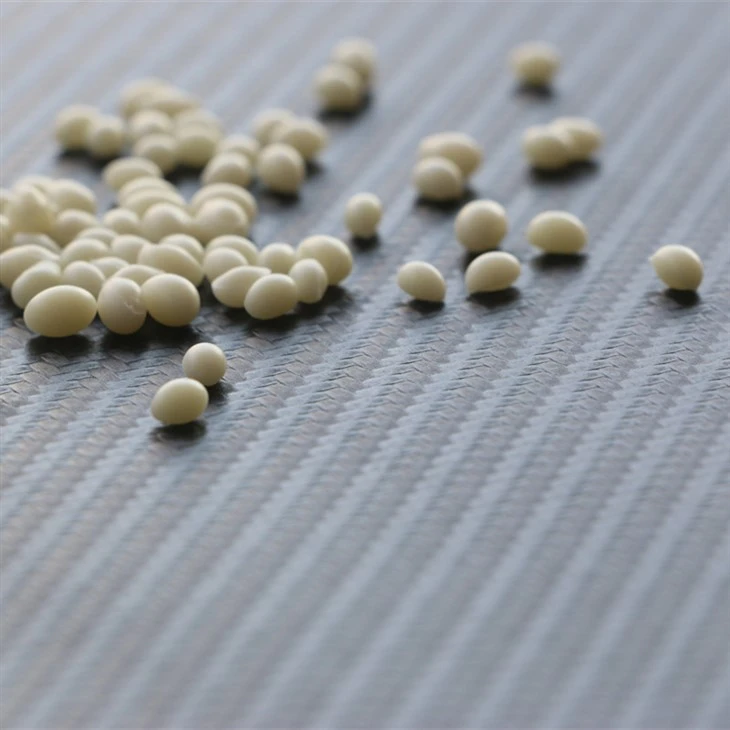
Hot - melt adhesives are commonly used in the bonding of display panels to frames in smartphones, tablets, and other electronic devices. Hot Melt Adhesive PUN Nature Color can provide a clear and strong bond, ensuring the stability of the display and preventing it from coming loose during use. The fast - bonding nature of hot - melt adhesives also allows for efficient assembly of the display components.
2. Cable Management
In electronic devices, hot - melt adhesives are used for cable management. They can be used to secure cables in place, preventing them from moving around and potentially causing short - circuits or other problems. The adhesives can be applied to the cable harnesses to hold them together and attach them to the device chassis.
3. Assembly of Small Components
Hot - melt adhesives are ideal for the assembly of small electronic components, such as resistors, capacitors, and integrated circuits. Their fast - bonding speed and good adhesion properties allow for quick and reliable assembly of these components onto printed circuit boards.

Conclusion
In conclusion, hot - melt adhesives can be effectively used in electronic devices, offering numerous advantages such as fast bonding, good adhesion, and environmental friendliness. However, they also have some limitations, such as limited gap - filling ability and sensitivity to temperature changes. By carefully selecting the appropriate type of hot - melt adhesive for a specific application and considering the potential challenges, manufacturers can achieve reliable and high - quality bonding in electronic devices.
If you are interested in exploring the use of hot - melt adhesives for your electronic device manufacturing needs, I encourage you to contact us for more information and to discuss your specific requirements. We are committed to providing high - quality hot - melt adhesive solutions that meet the demanding standards of the electronics industry.
References
- "Handbook of Adhesive Technology", Second Edition, edited by Andrew Pizzi and K. L. Mittal.
- "Adhesives in Manufacturing: Principles and Practice", by James A. Cornie.
- Industry reports on electronic device manufacturing and adhesive technologies.


