


Hey there! As a supplier of Hot Melt Adhesive EVA 8001 B, I often get asked if this particular adhesive can be used for bonding cork. Well, let's dive right into it and find out.
First off, let's talk a bit about what Hot Melt Adhesive EVA 8001 B is. It's a type of ethylene-vinyl acetate (EVA) based hot melt adhesive. EVA hot melt adhesives are known for their versatility, good adhesion properties, and relatively low cost. They're used in a wide range of applications, from packaging to woodworking. You can check out more details about it Hot Melt Adhesive EVA 8001 B.
Now, let's focus on cork. Cork is a unique material. It's lightweight, has good insulation properties, and is quite flexible. It's commonly used in things like flooring, wall coverings, and even in the production of wine bottle stoppers. But when it comes to bonding cork, we need to consider a few factors.
One of the key things to think about is the surface energy of cork. Surface energy determines how well an adhesive can wet out and bond to a material. Cork has a relatively low surface energy, which means it can be a bit tricky to bond. However, Hot Melt Adhesive EVA 8001 B has some properties that might make it a good candidate for bonding cork.
This adhesive has a good balance of tack and cohesion. Tack is the ability of the adhesive to stick to a surface immediately upon contact, while cohesion is the internal strength of the adhesive. A good tack is important when bonding cork because it allows the adhesive to quickly grab onto the cork surface. And the cohesion ensures that the bond will hold up over time.
Another factor is the temperature range. Hot Melt Adhesive EVA 8001 B has a specific melting point and application temperature range. When bonding cork, we need to make sure that the application temperature is right. If it's too hot, it could damage the cork. Cork can start to char or lose its properties at high temperatures. On the other hand, if the temperature is too low, the adhesive might not flow properly and won't form a good bond.
Let's talk about some of the tests and real - world applications. In our lab, we've conducted a series of tests to see how Hot Melt Adhesive EVA 8001 B performs when bonding cork. We've found that when the application temperature is within the recommended range, the adhesive can form a strong bond with cork.
For example, in a flooring application, where cork tiles need to be bonded to a substrate, we applied the Hot Melt Adhesive EVA 8001 B to the substrate and then pressed the cork tiles onto it. After a short period, the bond was strong enough to hold the tiles in place. And over time, the bond remained intact, even under normal foot traffic.
However, it's not all smooth sailing. There are some limitations. Cork can have a porous surface, and if the adhesive isn't applied evenly, it might seep into the pores and cause uneven bonding. Also, if the cork has any contaminants on its surface, like dust or oil, it can reduce the effectiveness of the bond. So, proper surface preparation is crucial.
We also need to consider the long - term durability of the bond. In some environments, cork can be exposed to moisture or temperature fluctuations. Hot Melt Adhesive EVA 8001 B has a certain level of resistance to these factors, but in extreme conditions, the bond might weaken over time.
Now, let's compare it with some other adhesives. There's Hot Melt Adhesive EVA 8001 A, which has slightly different properties. It might have a different tack and cohesion profile, which could affect how it bonds to cork. And then there's Furniture Specific Hot Melt Adhesive, which is designed specifically for furniture applications. While it might work well for bonding cork in furniture, it might not be the best choice for other cork applications.
In conclusion, Hot Melt Adhesive EVA 8001 B can be used for bonding cork, but it's not a one - size - fits - all solution. It has its advantages, like good tack and cohesion, but it also has some limitations, especially when it comes to the unique properties of cork. Proper surface preparation, correct application temperature, and considering the environment where the bond will be used are all important factors.
If you're thinking about using Hot Melt Adhesive EVA 8001 B for bonding cork in your project, I'd recommend doing some small - scale tests first. This will help you see how the adhesive performs in your specific situation.

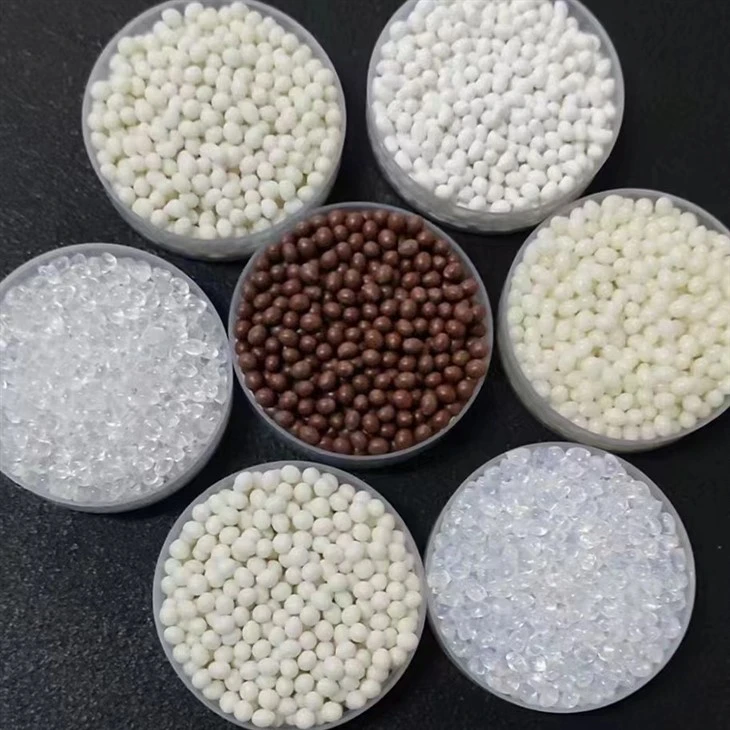
And if you're interested in purchasing Hot Melt Adhesive EVA 8001 B or have any questions about its use for bonding cork, feel free to reach out. We're here to help you make the right choice for your adhesive needs.
References:
- General knowledge about hot melt adhesives and cork materials from industry experience.
- In - house test results on bonding cork with Hot Melt Adhesive EVA 8001 B.


