


As a supplier of melamine edge banding tape solid matt, I often encounter various questions from customers regarding the applications of our products. One of the most frequently asked questions is whether melamine edge banding tape solid matt can be used on glass surfaces. In this blog post, I will delve into this topic, providing scientific and practical insights based on my experience in the industry.
Understanding Melamine Edge Banding Tape Solid Matt
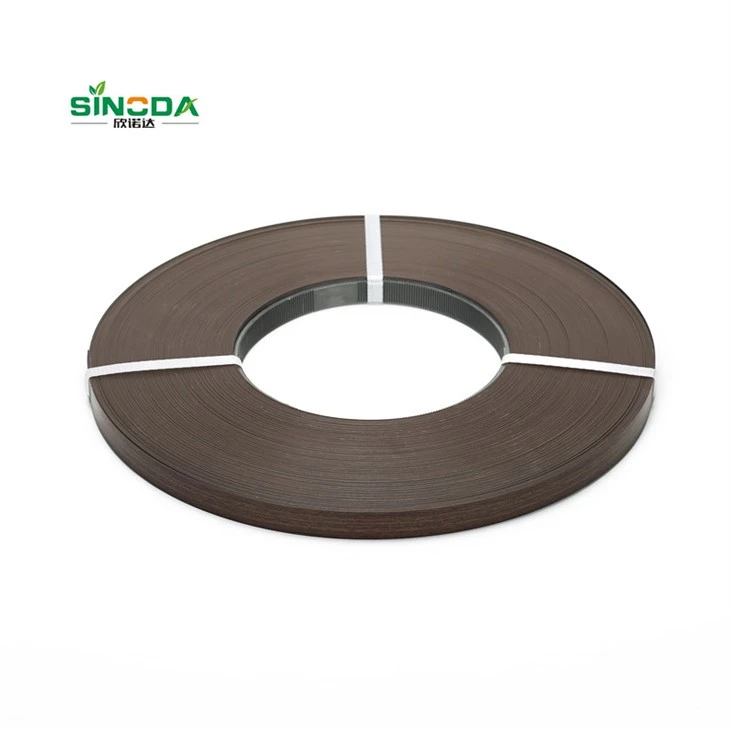
Before we discuss its suitability for glass surfaces, let's first understand what melamine edge banding tape solid matt is. Melamine edge banding tape is a popular material used in the furniture manufacturing industry to cover the exposed edges of panels, providing a clean and finished look. The solid matt version has a smooth, non - glossy surface that offers a modern and sophisticated appearance.
The tape is typically made by bonding a layer of melamine resin onto a substrate, which is usually paper or PVC. This construction gives the tape its durability, resistance to scratches, and ease of installation. Our Solid Matte Melamine Edge Banding Tape is known for its high - quality finish and long - lasting performance.
Adhesion and Compatibility with Glass
The key factor in determining whether melamine edge banding tape solid matt can be used on glass surfaces is adhesion. Glass has a smooth, non - porous surface, which can pose challenges for adhesion compared to porous materials like wood or MDF.
Most melamine edge banding tapes are designed with adhesives that work well on porous surfaces. These adhesives rely on the pores in the material to create a mechanical bond. When it comes to glass, this mechanical bonding mechanism is not available. However, some high - quality melamine edge banding tapes are equipped with pressure - sensitive adhesives (PSAs) that can form a bond with glass through van der Waals forces.
Van der Waals forces are weak intermolecular forces that can hold the tape to the glass surface. The effectiveness of this bond depends on several factors, including the cleanliness of the glass surface, the pressure applied during installation, and the quality of the adhesive.
Surface Preparation
Proper surface preparation is crucial for achieving good adhesion on glass surfaces. Before applying the melamine edge banding tape solid matt, the glass must be thoroughly cleaned. Any dirt, dust, grease, or fingerprints can prevent the adhesive from making proper contact with the glass.

A recommended cleaning method is to use a glass cleaner and a lint - free cloth. First, spray the glass cleaner onto the cloth and then wipe the glass surface in a circular motion. Rinse the cloth frequently to avoid spreading dirt. After cleaning, dry the glass completely with a clean, dry cloth.
Installation Process
Once the glass surface is clean and dry, the installation process can begin. Start by measuring the length of the edge where the tape will be applied. Cut the melamine edge banding tape to the appropriate length, leaving a small margin for trimming.
Peel a small section of the backing paper from the tape, exposing the adhesive. Align the tape with the edge of the glass and press it firmly onto the surface. Use a roller or a flat tool to apply even pressure along the entire length of the tape. This helps to ensure that the adhesive makes full contact with the glass and that there are no air bubbles trapped between the tape and the glass.
As you continue to peel the backing paper, keep applying pressure to the tape. After the tape is fully applied, use a sharp knife or a trimming tool to cut off any excess tape at the ends.
Advantages and Disadvantages
Advantages
- Aesthetic Appeal: Melamine edge banding tape solid matt can add a unique and modern look to glass surfaces. It can cover up rough edges or provide a decorative element.
- Protection: The tape can protect the edges of the glass from chipping or scratching, especially in high - traffic areas.
- Cost - Effective: Compared to other methods of finishing glass edges, such as using metal or plastic profiles, melamine edge banding tape is relatively inexpensive.
Disadvantages
- Limited Durability: The bond between the tape and the glass may not be as strong as on porous surfaces. Over time, the tape may start to peel off, especially if it is exposed to extreme temperatures, humidity, or mechanical stress.
- Difficult to Remove: If you need to remove the tape in the future, it can be challenging. Removing the tape may leave adhesive residue on the glass, which can be difficult to clean.
Other Considerations
In addition to adhesion and installation, there are other factors to consider when using melamine edge banding tape solid matt on glass surfaces.
Temperature and Humidity: Extreme temperatures and high humidity can affect the performance of the adhesive. High temperatures can cause the adhesive to soften, leading to poor adhesion, while low temperatures can make the tape brittle and more likely to crack. It is important to install the tape in an environment with a stable temperature and humidity level.
UV Resistance: If the glass is exposed to sunlight, the tape should have good UV resistance. Otherwise, the tape may fade or become discolored over time. Our Melamine Edge Banding Tape Wood Grain Matt is formulated to have good UV resistance, which can also be an option for glass applications.
Conclusion
In conclusion, melamine edge banding tape solid matt can be used on glass surfaces, but it comes with certain challenges. With proper surface preparation, installation, and consideration of environmental factors, it is possible to achieve a satisfactory result. However, it is important to be aware of the limitations, such as limited durability and potential removal issues.
If you are considering using melamine edge banding tape solid matt on glass surfaces for your project, I encourage you to reach out to us. Our team of experts can provide you with more detailed information, samples, and guidance on installation. We are committed to helping you find the best solution for your needs. Contact us today to start a discussion about your melamine edge banding requirements.
References
- Furniture Manufacturing Handbook
- Adhesion Science and Technology Journal
- Glass Surface Treatment and Bonding Guidelines


