


As a supplier of melamine edge banding tape solid matt, I often get asked whether this product can be used on metal surfaces. It's a valid question, and one that I'm more than happy to delve into. So, let's break it down and see if our Solid Matte Melamine Edge Banding Tape is a good fit for metal.
First off, let's understand what melamine edge banding tape solid matt is. It's a type of tape that's commonly used to cover the exposed edges of materials like wood, MDF, and particleboard. The "solid matt" part means it has a flat, non - shiny finish, which can give a sleek and modern look to furniture and other woodworking projects. You can find more details about it on our website: Solid Matte Melamine Edge Banding Tape.
Now, onto the big question: can it be used on metal surfaces? Well, the answer isn't a simple yes or no. There are a few factors we need to consider.
Adhesion
The first thing we need to think about is adhesion. Metal surfaces are very different from wood or MDF. They're usually smooth, non - porous, and can be prone to oxidation. Our melamine edge banding tape is designed to adhere well to porous materials. The adhesive on the tape works by seeping into the tiny pores of the material, creating a strong bond.
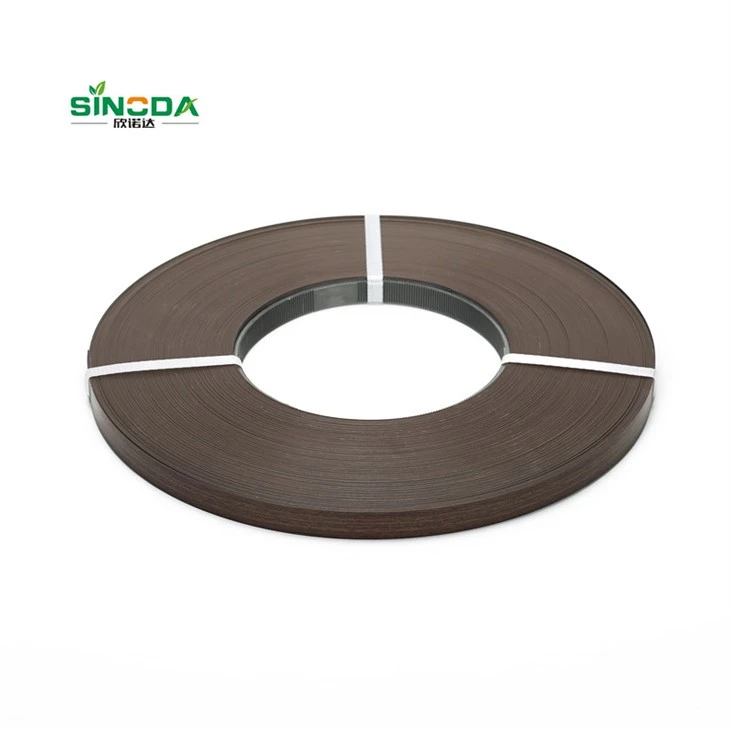

On a metal surface, this might not work as effectively. The smoothness of the metal can prevent the adhesive from getting a good grip. However, if the metal surface is properly prepared, the tape can stick. For example, if you clean the metal surface thoroughly with a degreaser to remove any oil, dirt, or grease, and then use a primer designed for metal - to - plastic adhesion, the chances of the tape sticking improve significantly.
Durability
Another important factor is durability. Metal is a very tough material, and it can withstand a lot of wear and tear. Our melamine edge banding tape is also quite durable, but it's designed for different conditions. When used on metal, the tape might be exposed to different levels of stress.
For instance, metal can expand and contract with changes in temperature. If the tape doesn't have the same flexibility as the metal, it could start to peel or crack over time. However, if the metal is in an environment with stable temperatures, this might not be as much of an issue. Also, our tape has a certain level of resistance to scratches and abrasions. But on a metal surface that's constantly being rubbed or bumped, the tape might get damaged more easily.
Aesthetic Appeal
From an aesthetic point of view, using melamine edge banding tape solid matt on metal can create an interesting look. The flat, matte finish of the tape can add a modern and industrial touch to metal furniture or fixtures. It can also be used to cover up any rough edges or imperfections on the metal.
However, you need to make sure that the color and texture of the tape match the overall design of the metal piece. If the tape looks out of place, it could actually detract from the appearance of the metal.
Comparison with Other Options
There are other types of edge banding products available for metal surfaces. For example, there are metal edge bands that are specifically designed to be used on metal. These bands are usually made of the same or similar metal as the surface, so they have better compatibility in terms of expansion, contraction, and durability.
But there are also some advantages to using our melamine edge banding tape. It's more affordable compared to metal edge bands, and it comes in a wider range of colors. You can also find our Melamine Edge Banding Tape Wood Grain Matt if you want to create a unique look by combining the look of wood with metal.
Real - World Applications
In some real - world scenarios, using melamine edge banding tape solid matt on metal can be a great idea. For example, in a DIY project where you're creating a custom metal - and - wood piece of furniture, the tape can be used to create a seamless transition between the two materials.
In a commercial setting, if you're looking to update the look of some old metal cabinets or fixtures on a budget, the tape can be a quick and easy solution. Just make sure to follow the proper installation steps to ensure the best results.
Installation Tips
If you decide to use our melamine edge banding tape on a metal surface, here are some installation tips:
- Prepare the surface: As mentioned earlier, clean the metal surface thoroughly with a degreaser. Then, sand the surface lightly to create a slightly rough texture for better adhesion. Apply a metal - to - plastic primer.
- Cut the tape: Measure the length of the edge you want to cover and cut the tape accordingly. Make sure to leave a little extra length to account for any mistakes.
- Apply the tape: Start at one end of the edge and slowly apply the tape, pressing it down firmly as you go. Use a roller or a flat tool to smooth out any air bubbles or wrinkles.
- Trim the excess: Once the tape is applied, use a sharp knife to trim off any excess tape at the ends.
Conclusion
So, can melamine edge banding tape solid matt be used on metal surfaces? The answer is that it can, but with some caveats. If you're willing to put in the effort to prepare the surface and take into account the factors of adhesion, durability, and aesthetic appeal, the tape can be a great option for adding a unique touch to your metal projects.
If you're interested in trying out our melamine edge banding tape solid matt for your metal surfaces, I encourage you to reach out to us. We can provide you with samples and more detailed information about the product. Whether you're a DIY enthusiast or a professional in the furniture industry, we're here to help you find the right edge banding solution. Contact us to start a discussion about your project and how our products can meet your needs.
References
- General knowledge about melamine edge banding tape and metal properties.
- Product specifications and research conducted by our company on the performance of melamine edge banding tape.


