


Hey there! As a supplier of PVC edge banding, I often get asked a ton of questions. One that's popped up more frequently lately is, "Can PVC edge banding be used on glass surfaces?" Well, let's dive right into this topic and figure it out together.
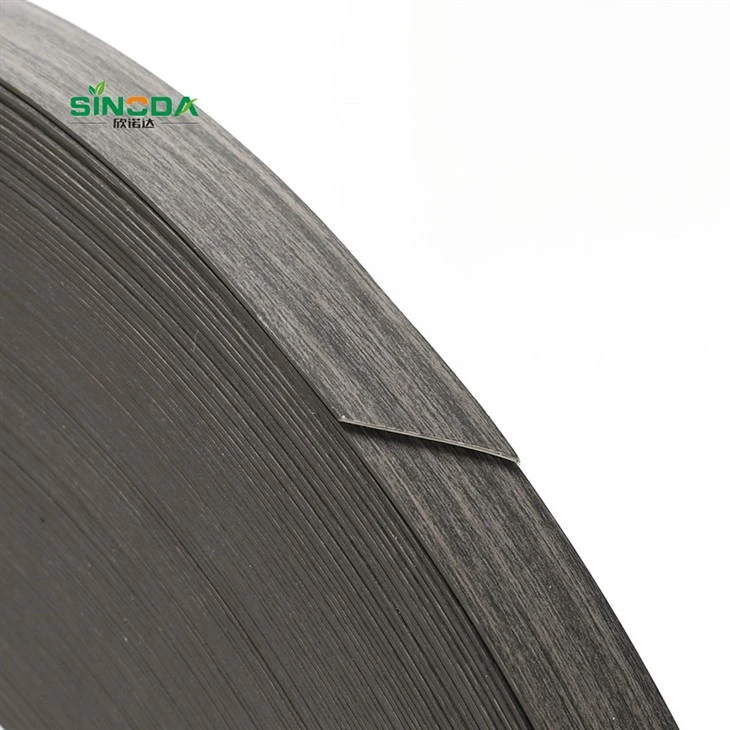
First off, let's talk a bit about what PVC edge banding is. PVC, or polyvinyl chloride, is a type of plastic that's commonly used in edge banding. It's popular because it's durable, flexible, and comes in a wide range of colors and finishes. You can find options like PVC Edge Banding Tape Wood Grain Matt, which gives a natural woody look with a matte finish, PVC Edge Banding Tape Wood Grain Glossy for a shiny wood - like appearance, and PVC Edge Banding Tape Solid Glossy for a sleek, solid - color shiny finish.

Now, back to the main question. Can you use PVC edge banding on glass? The short answer is, it depends. There are a few factors we need to consider.
Adhesion
The most crucial factor is adhesion. Glass is a smooth, non - porous surface, which can make it a bit tricky for adhesives to bond well. Most PVC edge banding comes with an adhesive backing. The effectiveness of this adhesive on glass varies. Some high - quality adhesives might work okay, but they might not provide a long - lasting bond. Over time, factors like temperature changes, humidity, and physical stress can cause the edge banding to peel off.
For instance, if you're in an area with extreme temperature fluctuations, the glass and the PVC edge banding will expand and contract at different rates. This difference in expansion and contraction can put stress on the adhesive bond, leading to separation.
Surface Preparation
Proper surface preparation is key when trying to use PVC edge banding on glass. The glass surface needs to be completely clean and free of any dirt, grease, or fingerprints. Even a tiny bit of residue can reduce the adhesive's ability to stick. You can use a glass cleaner and a lint - free cloth to wipe the surface thoroughly. After cleaning, it's a good idea to let the glass dry completely before applying the edge banding.
Aesthetics
From an aesthetic point of view, PVC edge banding can add a unique look to glass. If you're going for a modern or rustic look, the wood - grain options can give the glass a warm, organic feel. The solid - color glossy options can create a sleek, contemporary look. However, keep in mind that any imperfections in the application, like air bubbles or uneven edges, will be very noticeable on the smooth glass surface.
Applications
There are some situations where using PVC edge banding on glass can be a good idea. For example, in DIY projects like creating custom glass tabletops or picture frames. If you're not looking for a permanent solution and just want to add a bit of style for a short - term display, PVC edge banding can be a cost - effective option.
In commercial settings, though, it might not be as practical. In a high - traffic area or a place where the glass is constantly handled, the risk of the edge banding peeling off is higher.
Installation Process
If you decide to give it a try, here's a basic installation process. First, measure the length of the glass edge where you want to apply the edge banding. Cut the PVC edge banding to the appropriate length, leaving a little extra just in case.
Peel off a small section of the adhesive backing on the edge banding. Align it with the edge of the glass and press it down firmly. As you go along, slowly peel off more of the backing and continue pressing the edge banding onto the glass. Use a roller or a flat tool to smooth out any air bubbles and ensure good contact between the edge banding and the glass.
Limitations
As mentioned earlier, the durability of the bond between PVC edge banding and glass is a major limitation. Another limitation is the difficulty in removing the edge banding without damaging the glass. If you ever need to remove the edge banding, it can leave behind adhesive residue on the glass, which can be a pain to clean.
Alternatives
If you're not satisfied with the idea of using PVC edge banding on glass, there are some alternatives. You could use silicone edge guards, which are specifically designed for glass. They provide a soft, protective edge and are more likely to stay in place on glass. Another option is to use a glass - specific adhesive and a decorative trim made of a more glass - friendly material.
In conclusion, while it's possible to use PVC edge banding on glass, it has its pros and cons. It can be a fun DIY experiment and can add some style to glass surfaces, but it might not be the best long - term or high - durability solution.
If you're interested in giving PVC edge banding a try for your projects, whether it's for glass or other materials, I'd love to hear from you. We can have a chat about your specific needs, and I can help you choose the right type of PVC edge banding. So, don't hesitate to reach out and start a conversation about your procurement needs.
References
- "Plastics in Construction: A Practical Guide" by John W. Rose
- "DIY Home Decorating Handbook" by various authors


