


When it comes to using PVC edge banding, one of the most frequently asked questions is, "How long does it take for the adhesive to dry?" As a PVC edge banding supplier, I've encountered this query countless times. In this blog post, I'll delve into the factors that influence the drying time of the adhesive used with PVC edge banding and provide some insights to help you achieve the best results.
Understanding the Basics of PVC Edge Banding Adhesives
Before we discuss the drying time, it's essential to understand the types of adhesives commonly used with PVC edge banding. There are two main types: hot melt adhesives and contact adhesives.
Hot melt adhesives are the most popular choice for PVC edge banding. They are applied in a molten state using a hot melt glue gun or a specialized edge banding machine. Once applied, the adhesive cools and solidifies, creating a strong bond between the PVC edge banding and the substrate. Contact adhesives, on the other hand, are applied to both the PVC edge banding and the substrate and allowed to dry slightly before being pressed together. When the two surfaces come into contact, they bond immediately.
Factors Affecting the Drying Time of Adhesives
The drying time of the adhesive used with PVC edge banding can vary significantly depending on several factors. Here are some of the most important ones:
1. Type of Adhesive
As mentioned earlier, hot melt adhesives and contact adhesives have different drying mechanisms. Hot melt adhesives cool and solidify rapidly, typically within a few seconds to a few minutes, depending on the temperature and the thickness of the adhesive layer. Contact adhesives, on the other hand, require a longer drying time, usually between 10 to 30 minutes, to allow the solvents to evaporate and the adhesive to become tacky.
2. Temperature and Humidity
The temperature and humidity of the environment can have a significant impact on the drying time of the adhesive. Hot melt adhesives cool and solidify faster in cooler temperatures, while contact adhesives dry faster in warmer and drier conditions. In general, the ideal temperature for applying and drying adhesives is between 20°C to 25°C (68°F to 77°F) with a relative humidity of around 50%.
3. Thickness of the Adhesive Layer
The thickness of the adhesive layer also affects the drying time. A thicker layer of adhesive will take longer to dry than a thinner layer. It's important to apply the adhesive evenly and in the recommended thickness to ensure proper bonding and to minimize the drying time.
4. Substrate Material
The type of substrate material can also influence the drying time of the adhesive. Porous substrates, such as wood, absorb the adhesive more quickly, which can speed up the drying process. Non-porous substrates, such as metal or plastic, may require a longer drying time as the adhesive has to dry on the surface rather than being absorbed.
5. Ventilation
Proper ventilation is essential for the drying process, especially when using contact adhesives. Good ventilation helps to remove the solvents from the adhesive, which speeds up the drying time and reduces the risk of fumes and odors.
Typical Drying Times for Different Adhesives
Based on the factors mentioned above, here are some typical drying times for different types of adhesives used with PVC edge banding:
Hot Melt Adhesives
- Low-temperature hot melt adhesives: These adhesives typically dry within 5 to 10 seconds at a temperature of around 120°C to 140°C (248°F to 284°F).
- Medium-temperature hot melt adhesives: They dry within 10 to 20 seconds at a temperature of around 140°C to 160°C (284°F to 320°F).
- High-temperature hot melt adhesives: These adhesives take about 20 to 30 seconds to dry at a temperature of around 160°C to 180°C (320°F to 356°F).
Contact Adhesives
- Solvent-based contact adhesives: They usually require a drying time of 10 to 30 minutes, depending on the temperature, humidity, and thickness of the adhesive layer.
- Water-based contact adhesives: These adhesives take a bit longer to dry, typically between 20 to 40 minutes, due to the slower evaporation of water.
Tips for Reducing the Drying Time
If you're looking to reduce the drying time of the adhesive when using PVC edge banding, here are some tips:

- Choose the right adhesive: Select an adhesive that is suitable for your specific application and drying requirements. Consider factors such as the type of substrate, the temperature and humidity of the environment, and the desired bond strength.
- Preheat the substrate: If using a hot melt adhesive, preheating the substrate can help to speed up the cooling and solidification process of the adhesive.
- Use a thinner adhesive layer: Applying a thinner layer of adhesive can reduce the drying time while still providing a strong bond.
- Improve ventilation: Ensure proper ventilation in the workspace to remove the solvents from the adhesive and speed up the drying process.
- Control the temperature and humidity: Maintain the temperature and humidity within the recommended range to optimize the drying time of the adhesive.
Our PVC Edge Banding Products
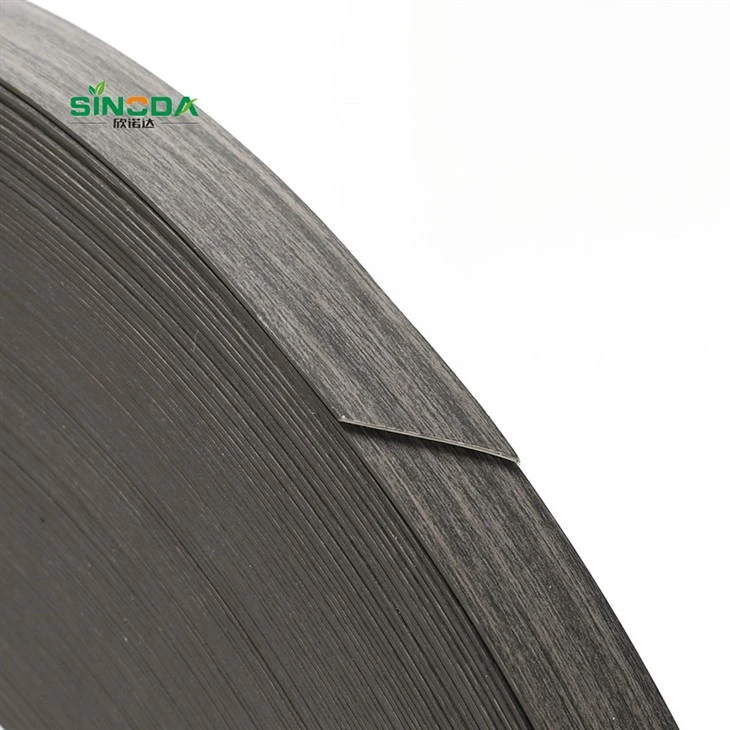
At our company, we offer a wide range of high-quality PVC edge banding products to meet your needs. Our PVC Edge Banding Tape Wood Grain Matt provides a natural and elegant look, while our PVC Edge Banding Tape Solid High Gloss offers a sleek and modern appearance. We also have PVC Edge Banding Tape Solid Matt for a more understated and sophisticated finish.
Contact Us for Procurement and Consultation
If you're interested in purchasing our PVC edge banding products or have any questions about the adhesive drying time or other related topics, please don't hesitate to contact us. Our team of experts is always ready to assist you and provide you with the best solutions for your projects.
References
- "Adhesive Technology Handbook" by Patrick Lloyd
- "Handbook of Adhesives and Sealants" by Charles A. Harper


