


Hey there! As a melamine edge banding supplier, I'm super stoked to chat with you about what melamine edge banding is all about. So, let's dive right in!
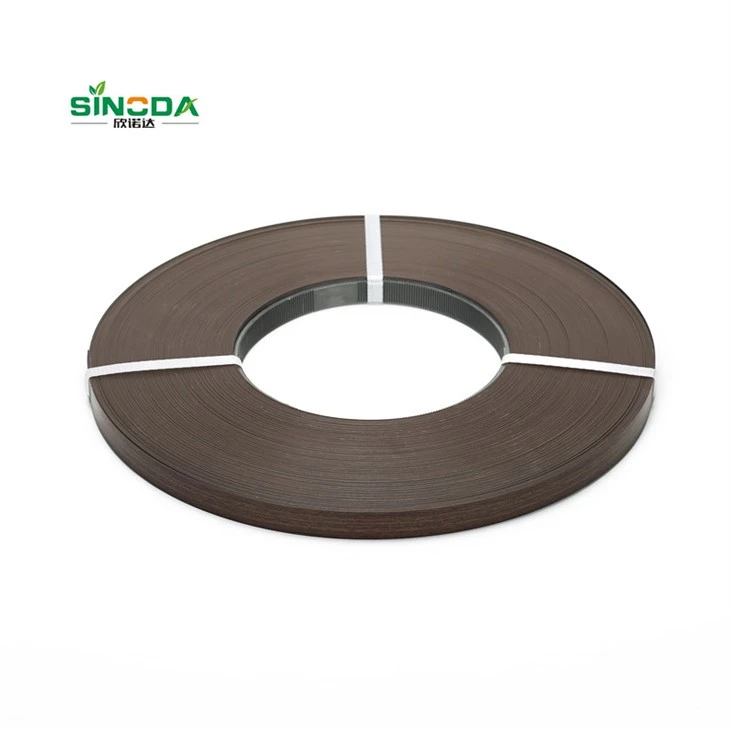
Melamine edge banding is a thin strip of material that's used to cover the exposed edges of furniture panels, countertops, and other wood - based products. It's like a little protective and decorative shield for your pieces. You know, when you have a raw edge on a particleboard or MDF panel, it doesn't look so great, and it can also be prone to damage. That's where melamine edge banding comes in handy.
What's It Made Of?
Melamine edge banding is typically made by impregnating paper with melamine resin. Melamine resin is a type of thermosetting plastic that's known for its durability, scratch - resistance, and chemical resistance. The paper is first printed with a pattern, which can mimic the look of wood grain, solid colors, or other decorative designs. Then, it's saturated with the melamine resin and cured under high heat and pressure. This process creates a hard, smooth, and long - lasting surface.
Why Is It So Popular?
One of the main reasons melamine edge banding is so popular is its cost - effectiveness. Compared to other edge - finishing materials like solid wood or veneer, melamine edge banding is much more affordable. You can get a high - quality, good - looking finish without breaking the bank.
Another big plus is its versatility. With the wide range of patterns available, you can easily match the edge banding to the overall style of your furniture. Whether you're going for a modern, minimalist look with a solid - color banding or a more traditional, rustic feel with a wood - grain pattern, there's a melamine edge banding option for you. Check out our Melamine Edge Banding Tape Solid Matt and Melamine Edge Banding Tape Wood Grain Matt for some great examples.
It's also relatively easy to install. You don't need to be a professional carpenter to apply melamine edge banding. All you need is a few basic tools like a router, a glue gun, and a utility knife. With a bit of practice, you can get a neat and clean finish on your furniture pieces.
Applications of Melamine Edge Banding
Melamine edge banding is used in a wide variety of applications. In the furniture industry, it's commonly used to finish the edges of cabinets, drawers, shelves, and tables. It gives the furniture a more polished and professional look.
In the kitchen, melamine edge banding is a popular choice for countertops. It can protect the edges of the countertop from water damage, scratches, and wear and tear. And since it comes in so many different colors and patterns, you can find a banding that matches your kitchen's color scheme perfectly.
It's also used in the office furniture sector. Desks, filing cabinets, and partition walls often have melamine edge banding to enhance their appearance and durability.
Advantages of Our Melamine Edge Banding
As a supplier, we take pride in offering high - quality melamine edge banding. Our products are made from the best materials and go through strict quality control processes. We ensure that each roll of edge banding has a consistent thickness, color, and pattern.
Our edge banding has excellent adhesion properties. When you apply it to your furniture panels, it sticks firmly and doesn't peel off easily. This means that your furniture will look great for a long time.
We also offer a wide selection of widths and thicknesses to meet your specific needs. Whether you need a narrow strip for a delicate piece of furniture or a wider one for a large countertop, we've got you covered.
How to Choose the Right Melamine Edge Banding
When choosing melamine edge banding, there are a few things to consider. First, think about the color and pattern. You want it to match the rest of your furniture or the overall design of the room. Take a sample of the furniture panel with you when you're making your selection to ensure a good match.
Next, consider the thickness and width. Thicker edge banding is more durable and can provide better protection, but it may also be more difficult to install. The width should be appropriate for the size of the edge you're covering.
You also need to think about the quality of the adhesion. Look for edge banding that has a strong adhesive backing or that can be easily glued to the panel.
Installation Tips
Here are some tips to help you install melamine edge banding like a pro. First, make sure the surface of the panel is clean and dry before applying the banding. Any dirt, dust, or moisture can affect the adhesion.
If you're using a glue - based edge banding, apply the glue evenly to the back of the banding and the edge of the panel. Then, press the banding firmly onto the edge and use a roller or a cloth to smooth out any air bubbles.
After the banding is applied, use a router to trim the excess. Be careful not to cut too deep, or you may damage the panel. Finally, use a utility knife to clean up the edges and give them a smooth finish.

Maintenance of Melamine Edge Banding
Maintaining melamine edge banding is pretty easy. You can clean it with a mild soap and water solution. Avoid using abrasive cleaners or scrubbers, as they can scratch the surface of the banding.
If there are any scratches or minor damages, you can try using a touch - up marker or a repair kit to fix them. In most cases, these minor issues can be easily resolved without having to replace the entire edge banding.
Conclusion
So, there you have it! That's what melamine edge banding is all about. It's a cost - effective, versatile, and easy - to - install material that can enhance the look and durability of your furniture and other wood - based products.
If you're in the market for melamine edge banding, we'd love to hear from you. Whether you're a furniture manufacturer, a DIY enthusiast, or a contractor, we can provide you with the best products and the most competitive prices. Reach out to us to start a procurement discussion and let's work together to make your projects a success!
References
- Woodworking magazines and manuals
- Industry reports on furniture finishing materials
- In - house product research and development data


