


Hey there! As a supplier of hot melt adhesive EVA 8001 b, I often get asked about the dielectric constant of this product. So, I thought I'd take a moment to break it down for you and share some insights.
First off, let's talk about what the dielectric constant is. In simple terms, it's a measure of how well a material can store electrical energy in an electric field. It's also known as the relative permittivity, and it's a key property when it comes to materials used in electrical and electronic applications.
Now, when it comes to hot melt adhesive EVA 8001 b, the dielectric constant can vary depending on a few factors. One of the main factors is the temperature. Generally, as the temperature goes up, the dielectric constant of EVA-based hot melt adhesives tends to increase. This is because the molecular mobility of the EVA polymer chains increases with temperature, allowing the material to respond more readily to an applied electric field.
Another factor that can affect the dielectric constant is the frequency of the electric field. At low frequencies, the dielectric constant of EVA 8001 b might be different compared to high frequencies. This is due to the different relaxation processes that occur within the material at different frequencies.
In most cases, the dielectric constant of hot melt adhesive EVA 8001 b is in the range of 2 - 3 at room temperature and low frequencies. This range makes it a suitable material for a variety of applications where electrical insulation is required. For example, it can be used in the assembly of electronic components to bond parts together while providing some level of electrical isolation.
One of the great things about EVA 8001 b is its versatility. It's not only good in terms of its dielectric properties but also has excellent adhesion to a wide range of substrates. Whether you're working with plastics, metals, or wood, this hot melt adhesive can form a strong bond.
If you're in the furniture industry, you might be interested in our Furniture Specific Hot Melt Adhesive. It's designed specifically for furniture assembly and offers great bonding strength and durability.
For those looking for a more specialized adhesive, our PUR hot melt adhesive is a great option. It has unique properties that make it suitable for high - performance applications.
And if you're into natural - looking adhesives, check out our Hot Melt Adhesive PUN Nature Color. It provides a clean and natural look while still delivering strong bonding performance.
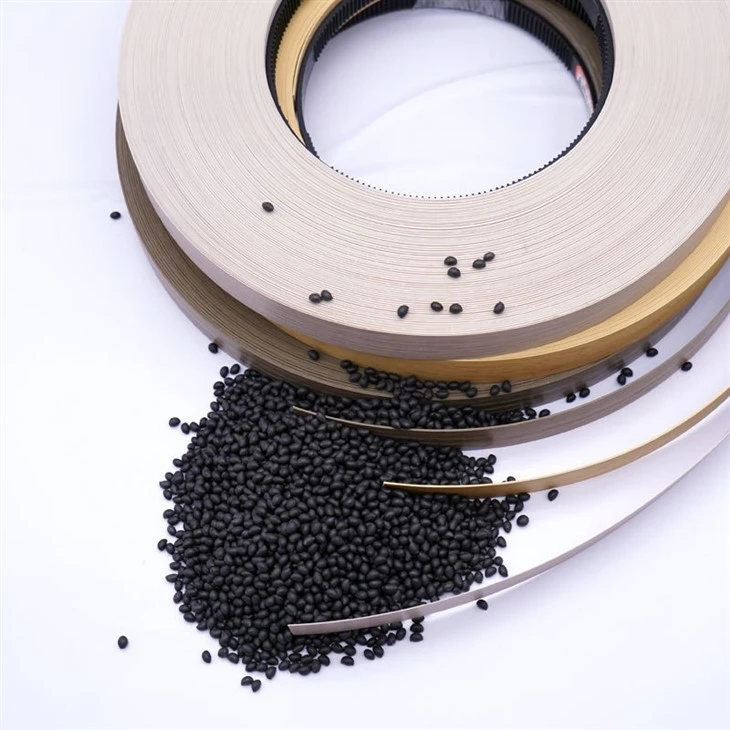

When using hot melt adhesive EVA 8001 b, it's important to follow the proper application procedures. Make sure the surfaces to be bonded are clean and dry. Heat the adhesive to the recommended temperature using a suitable hot melt gun or dispenser. Once the adhesive is molten, apply it evenly to one of the surfaces and then press the two surfaces together firmly.
In terms of storage, keep the EVA 8001 b in a cool and dry place. Exposure to high humidity or extreme temperatures can affect its properties over time.
Now, if you're in the market for hot melt adhesive EVA 8001 b or any of our other products, I'd love to hear from you. We're always ready to have a chat about your specific needs and how our adhesives can fit into your projects. Whether you're a small - scale manufacturer or a large - scale industrial user, we can provide the right quantity and quality of adhesives for you.
Contact us to start a procurement discussion, and let's see how we can work together to meet your adhesive requirements.
References
- Textbooks on polymer science and engineering for general knowledge on dielectric properties of polymers.
- Internal product testing reports and data sheets of hot melt adhesive EVA 8001 b.


