


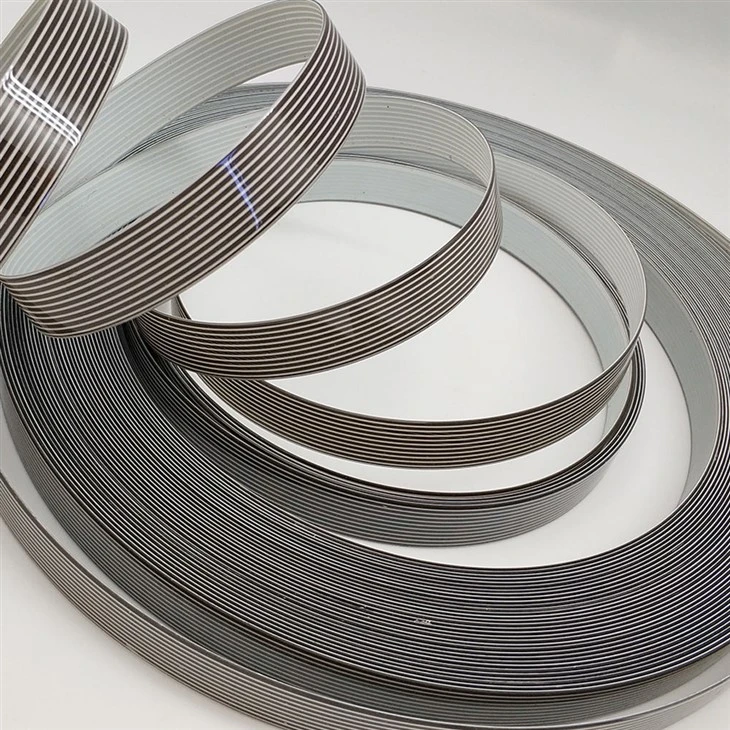
Acrylic edge banding is a popular choice for finishing the edges of furniture, cabinets, and other woodworking projects. It offers a sleek, modern look and is available in a variety of colors and finishes. As an acrylic edge banding supplier, I often get asked about the fire - resistance level of our products. In this blog, I'll delve into the details of the fire - resistance of acrylic edge banding, exploring what it means, how it's measured, and what factors can influence it.
Understanding Fire - Resistance Levels
Fire - resistance is a crucial consideration, especially in environments where safety is a top priority, such as commercial buildings, schools, and hospitals. The fire - resistance level of a material indicates its ability to withstand fire and prevent the spread of flames and smoke.
There are several international standards for measuring fire - resistance. One of the most well - known is the European standard EN 13501 - 1, which classifies construction products according to their reaction to fire. The classification ranges from A1 (non - combustible) to F (highly flammable). Another important standard in the United States is the UL 94 standard, which is used to evaluate the flammability of plastic materials.
Fire - Resistance of Acrylic Edge Banding
Acrylic edge banding is made from polymethyl methacrylate (PMMA), a type of thermoplastic. By nature, PMMA is flammable. When exposed to an open flame, it will melt and burn, producing a clear blue flame. However, the fire - resistance of acrylic edge banding can be improved through various means.
Flame - Retardant Additives
One common method is to add flame - retardant additives to the acrylic resin during the manufacturing process. These additives work by either releasing non - flammable gases when heated, which dilute the oxygen around the material and suppress the flame, or by forming a protective char layer on the surface of the material, which insulates it from the heat and slows down the burning process.
The effectiveness of the flame - retardant additives depends on the type and amount used. High - quality acrylic edge banding with the right combination of additives can achieve a relatively high fire - resistance rating. For example, some of our products can meet the B - s1, d0 classification according to EN 13501 - 1, which means they have limited flammability and low smoke production and no burning droplets.
Thickness and Material Composition
The thickness of the acrylic edge banding also plays a role in its fire - resistance. Thicker edge banding generally has a better ability to withstand fire for a longer period. Additionally, the overall material composition, including any backing materials or adhesives used, can affect the fire - performance of the edge banding.
Factors Affecting Fire - Resistance
Environmental Conditions
The fire - resistance of acrylic edge banding can be influenced by the environment in which it is used. High temperatures, humidity, and exposure to chemicals can all degrade the material over time, reducing its fire - resistance properties. For example, if the edge banding is installed in an area with poor ventilation and high heat, it may be more prone to catching fire.
Installation Quality
Proper installation is essential for maintaining the fire - resistance of acrylic edge banding. If the edge banding is not installed correctly, there may be gaps or spaces where flames and smoke can penetrate. This can compromise the overall fire - safety of the furniture or structure.
Our Product Range and Fire - Resistance
As a supplier, we offer a wide range of acrylic edge banding products, each with different fire - resistance levels to meet the diverse needs of our customers.
Our Acrylic Edge Banding Tape Solid Matt is a popular choice for those looking for a matte finish. It has been treated with high - quality flame - retardant additives to ensure a good level of fire - resistance. This product is suitable for both residential and commercial applications where a sleek, understated look is desired.
The Acrylic Edge Banding Solid High Gloss provides a shiny, reflective surface that can add a touch of luxury to any furniture piece. Despite its high - gloss appearance, it also meets the necessary fire - safety standards, making it a great option for high - end projects.
For those who prefer a wood - grain look, our Acrylic Edge Banding Wood Grain High Gloss combines the beauty of natural wood with the durability and fire - resistance of acrylic. The wood - grain pattern is realistic, and the high - gloss finish adds a modern touch.
Comparison with Other Edge Banding Materials
When comparing acrylic edge banding with other types of edge banding materials, such as PVC or melamine, in terms of fire - resistance, acrylic has some advantages. PVC is also a thermoplastic, but it can release toxic gases when burned. Melamine edge banding is more resistant to heat in some cases, but it may not have the same aesthetic appeal as acrylic.

Importance of Fire - Resistance in the Marketplace
In today's market, fire - resistance is not just a safety requirement but also a competitive advantage. Customers, especially those in the commercial sector, are increasingly aware of the importance of fire - safety in the products they purchase. By offering acrylic edge banding with good fire - resistance ratings, we can provide our customers with peace of mind and meet the strict building codes and regulations.
Contact for Procurement
If you are interested in our acrylic edge banding products and want to learn more about their fire - resistance levels or discuss your specific requirements, we encourage you to contact us. Our team of experts is ready to assist you in finding the right product for your project. Whether you are a furniture manufacturer, an interior designer, or a contractor, we can offer you high - quality edge banding solutions with the appropriate fire - resistance properties.
References
- European standard EN 13501 - 1. Classification of construction products according to reaction to fire.
- UL 94 Standard for Tests for Flammability of Plastic Materials for Parts in Devices and Appliances.


