


Hey there! As a hot-melt adhesive supplier, I've got tons of experience and knowledge about how different factors affect the performance of hot-melt adhesives. One key factor that often gets overlooked is the bonding area size. In this blog, I'm gonna dig deep into how the bonding area size influences the performance of hot-melt adhesives.
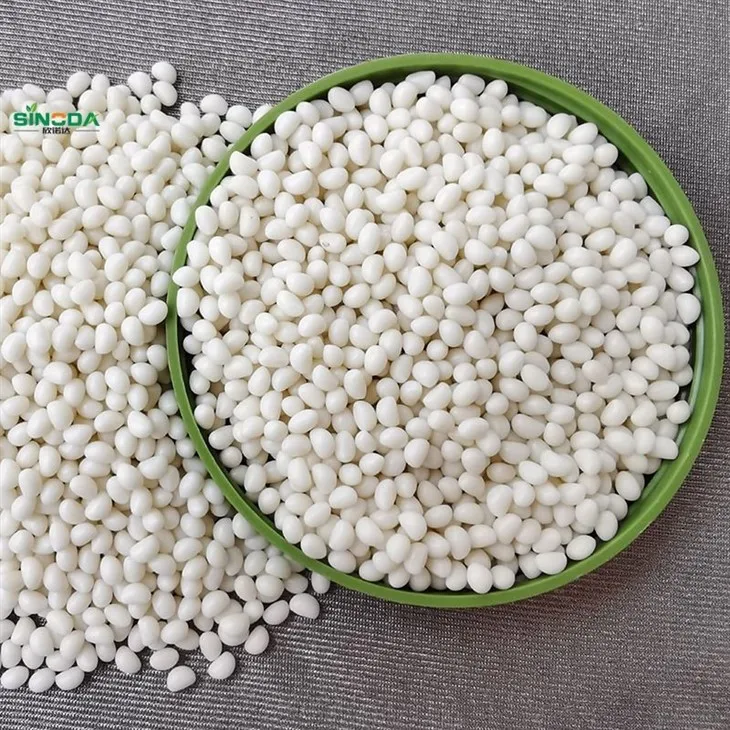

First off, let's quickly go over what hot-melt adhesives are. They're thermoplastic materials that turn from solid to liquid when heated and then solidify again once they cool down, creating a strong bond. There are different types of hot-melt adhesives, like Hot Melt Adhesive EVA 8001 C and Hot Melt Adhesive PUN Nature Color, each with its own set of properties and applications.
Now, onto the main topic - the bonding area size. When it comes to the strength of the bond created by hot-melt adhesives, the bonding area plays a crucial role. A larger bonding area generally means a stronger bond. You can think of it like building a bridge. The more support pillars you have (the larger the bonding area), the stronger and more stable the bridge (the bond) will be.
Why is this the case? Well, hot-melt adhesives work by spreading out and wetting the surfaces being bonded. The adhesive molecules interact with the molecules of the substrate materials. When the bonding area is larger, there are more contact points between the adhesive and the substrate. This leads to a greater number of molecular interactions, which in turn results in a stronger bond. For example, if you're using Hot Melt Adhesive EVA 8001 A to bond two pieces of wood, a larger bonding area will give more opportunities for the adhesive to seep into the pores of the wood and form a solid connection.
However, it's not as simple as just making the bonding area as large as possible. There are some limitations and considerations. For one, as the bonding area increases, the amount of adhesive required also goes up. This means a higher cost. You don't wanna use way more adhesive than necessary, as that's not cost - effective.
Another thing to consider is the application process. A very large bonding area can be more difficult to apply the adhesive evenly. If the adhesive isn't spread out uniformly across the bonding surface, it can lead to weak spots in the bond. For instance, if there are areas where the adhesive is too thick or too thin, the bond strength won't be consistent.
In some applications, the size of the bonding area is also restricted by the design of the product. For example, in a small electronic device, there might not be a lot of space for a large bonding area. In such cases, you have to rely on high - performance hot - melt adhesives that can create a strong bond even with a relatively small bonding area.
Let's talk about some specific performance aspects affected by the bonding area size.
Shear Strength
Shear strength is the ability of the bond to resist forces that try to slide the bonded materials past each other. A larger bonding area usually results in higher shear strength. The more surface area the adhesive covers, the more resistance it can provide against shear forces. For example, in a manufacturing process where two metal parts are bonded together and then subjected to lateral forces, a larger bonding area with a suitable hot - melt adhesive will ensure that the parts stay firmly in place.
Peel Strength
Peel strength refers to the force required to separate the bonded materials by peeling them apart. Similar to shear strength, a larger bonding area generally leads to higher peel strength. When peeling a bonded joint, the adhesive has to be detached from the substrate. With a larger bonding area, there are more points of adhesion, making it more difficult to peel the materials apart.
Temperature Resistance
The bonding area size can also affect the temperature resistance of the bond. A larger bonding area can distribute heat more evenly. When the adhesive is spread over a larger surface, the heat is dissipated more effectively, reducing the risk of the adhesive softening or failing at high temperatures. This is especially important in applications where the bonded parts are exposed to varying temperatures, like automotive components or outdoor equipment.
Flexibility
In some cases, a larger bonding area can reduce the flexibility of the bonded joint. If the adhesive covers a large area, it can make the joint more rigid. This might be a problem in applications where some degree of flexibility is required, such as in some types of packaging or flexible materials like fabrics. So, you have to find a balance between the bonding area size and the required flexibility of the bond.
To sum it up, the bonding area size has a significant impact on the performance of hot - melt adhesives. It affects the bond strength, cost, application process, and other performance aspects. As a hot - melt adhesive supplier, I always recommend carefully considering the bonding area size when choosing the right adhesive for your project.
If you're in the market for high - quality hot - melt adhesives and have questions about how the bonding area size might work for your specific application, feel free to reach out for a chat. Let's find the perfect solution for your bonding needs!
References
- Wilson, A. (2018). Handbook of Adhesive Technology. Springer.
- Brown, J. (2019). Hot - Melt Adhesives: Science and Technology. Wiley - VCH.


