


Hey there! As a supplier of Hot Melt Adhesive EVA 8001 C, I often get asked if this particular adhesive is suitable for bonding cork. Well, let's dive right into it and find out.
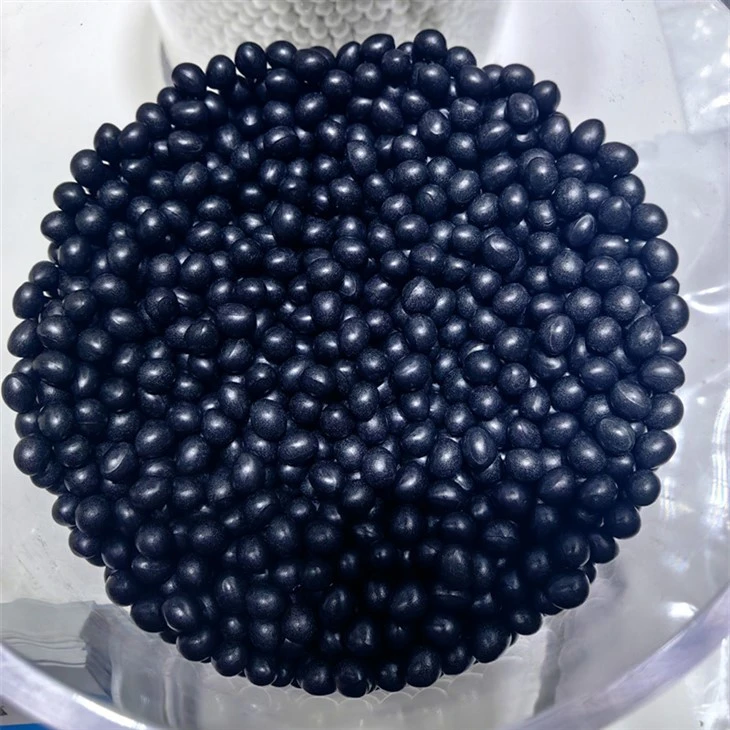
First off, let's talk a bit about what Hot Melt Adhesive EVA 8001 C is. It's a type of ethylene - vinyl acetate (EVA) based hot melt adhesive. EVA hot melt adhesives are known for their versatility, good adhesion properties, and relatively low cost. They're used in a wide range of industries, from packaging to woodworking, and even in some DIY projects. You can learn more about it here.
Now, cork is a unique material. It comes from the bark of cork oak trees and has some interesting characteristics. It's lightweight, has good insulation properties, and is naturally resistant to moisture and rot. These properties make it a popular choice for various applications, like flooring, bulletin boards, and wine bottle stoppers.
So, is Hot Melt Adhesive EVA 8001 C a good fit for bonding cork?
Adhesion Strength
One of the most important factors when it comes to bonding any material is the adhesion strength. Hot Melt Adhesive EVA 8001 C has a decent adhesion strength. It can form a strong bond with cork, especially when the surface of the cork is clean and dry. The adhesive melts at a specific temperature, usually around 120 - 180 degrees Celsius, and when it's applied to the cork, it quickly cools down and solidifies, creating a bond.
However, the adhesion strength can be affected by a few things. For example, if the cork has a lot of dust or oil on its surface, the adhesive might not bond as well. So, it's always a good idea to clean the cork surface before applying the adhesive. You can use a mild detergent and water to clean it, and then let it dry completely.
Flexibility
Cork is a fairly flexible material, and it can bend and move a bit without breaking. This means that the adhesive used to bond it also needs to be flexible. Hot Melt Adhesive EVA 8001 C has some degree of flexibility. It can withstand a certain amount of movement without the bond breaking. This is important, especially if the cork is going to be used in an application where it might be subjected to some stress, like in a cork flooring that people will walk on.
Temperature Resistance
Another factor to consider is temperature resistance. Cork can be used in different environments, and the adhesive needs to be able to hold up under different temperature conditions. Hot Melt Adhesive EVA 8001 C has a reasonable temperature resistance. It can handle normal indoor temperatures without any issues. However, if the temperature gets too high, say above 80 degrees Celsius, the adhesive might start to soften and lose its adhesion strength. On the other hand, in very cold temperatures, the adhesive might become brittle and crack.
Compatibility with Cork's Porosity
Cork is a porous material, which means it has tiny holes in it. These pores can absorb the adhesive to some extent. Hot Melt Adhesive EVA 8001 C can penetrate these pores to a certain degree, which helps to create a stronger bond. But if too much adhesive is absorbed, it might make the cork stiffer and less flexible. So, it's important to apply the right amount of adhesive.
Comparing with Other Adhesives
Let's compare Hot Melt Adhesive EVA 8001 C with some other adhesives that are commonly used for bonding cork.
There's the Hot Melt Adhesive EVA 8001 B. This adhesive is also EVA - based, but it has a slightly different formulation. It might have a different melting point and adhesion strength. In some cases, Hot Melt Adhesive EVA 8001 B might be a better choice if you need a stronger bond or if you're working in a different temperature environment.
Then there's the Hot Melt Adhesive Trace - less Grade A. This adhesive is designed to leave no traces when it's removed. If you're working on a project where you might need to remove the cork later, like in a temporary display, this might be a better option.
Applications of Bonding Cork with Hot Melt Adhesive EVA 8001 C
There are many applications where you can use Hot Melt Adhesive EVA 8001 C to bond cork.
- Cork Flooring: You can use it to bond cork tiles to the floor. It provides a strong enough bond to keep the tiles in place, and its flexibility allows the cork to move a bit with the natural expansion and contraction of the floor.
- Cork Wall Panels: For creating decorative wall panels, this adhesive can be used to attach the cork to the wall. It's easy to apply and dries quickly.
- DIY Projects: If you're into DIY, you can use it to make things like cork coasters, jewelry holders, or even a cork bulletin board.
Tips for Using Hot Melt Adhesive EVA 8001 C with Cork
- Prepare the Surface: As mentioned earlier, clean the cork surface thoroughly before applying the adhesive.
- Use the Right Equipment: You'll need a hot melt glue gun or a dispenser to apply the adhesive. Make sure it's set to the right temperature for Hot Melt Adhesive EVA 8001 C.
- Apply the Adhesive Evenly: Try to apply the adhesive evenly on the cork surface to ensure a uniform bond.
- Press the Surfaces Together: After applying the adhesive, press the two surfaces together firmly for a few seconds to help the bond form.
Conclusion
In conclusion, Hot Melt Adhesive EVA 8001 C can be a suitable option for bonding cork. It has good adhesion strength, some flexibility, and can penetrate the cork's pores to create a strong bond. However, it's important to consider the specific requirements of your project, like temperature resistance and the need for a trace - less adhesive.
If you're thinking about using Hot Melt Adhesive EVA 8001 C for your cork - bonding project, I'd be more than happy to help. Whether you have questions about the product, need advice on application, or are interested in purchasing, don't hesitate to reach out. We can discuss your needs and see if this adhesive is the right fit for you.

References
- ASTM International. (2023). Standard test methods for evaluating the properties of hot - melt adhesives.
- Cork Oak Research Institute. (2023). Properties and applications of cork.


