


Hey there! As a hot-melt adhesive supplier, I've seen firsthand how storage time can play a huge role in the performance of our products. Today, I'm gonna break down exactly how storage time affects hot-melt adhesive, so you can make the most out of your purchases and keep your projects running smoothly.
What is Hot-Melt Adhesive Anyway?
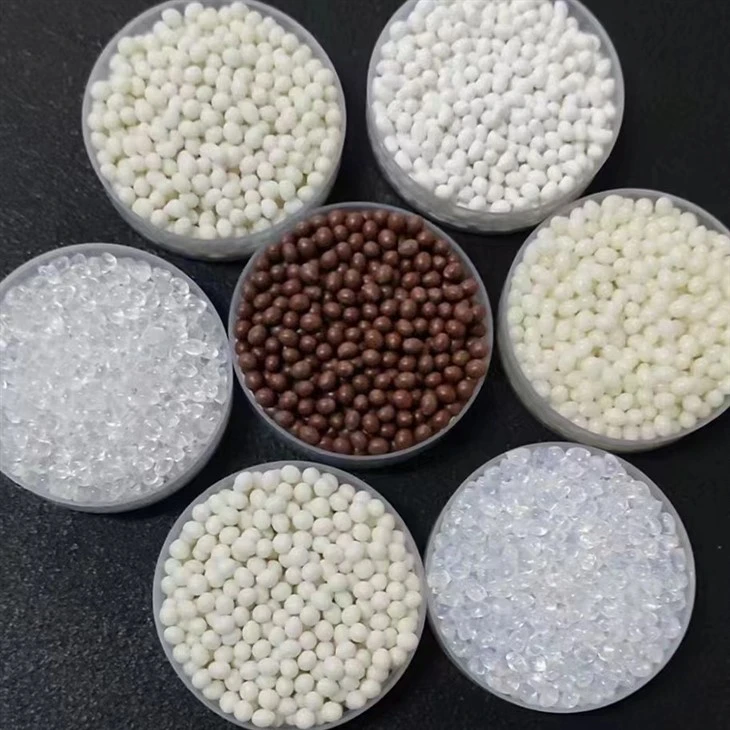
Before we dive into the effects of storage time, let's quickly go over what hot-melt adhesive is. It's a type of adhesive that's solid at room temperature but melts when heated. Once it cools down, it forms a strong bond. We've got different kinds, like Hot Melt Adhesive PUN White, PUR Hot Melt Adhesive Modified Trace-less, and Hot Melt Adhesive EVA 8001 B. Each has its own unique properties and uses, but they all share the basic characteristic of melting and bonding when heated.
The Impact of Storage Time on Physical Properties
Viscosity Changes
One of the first things you'll notice when hot-melt adhesive is stored for a long time is a change in viscosity. Viscosity is basically how thick or thin the adhesive is when it's melted. Over time, the adhesive can start to thicken. This is because some of the components in the adhesive can react with each other or with the air. When the viscosity increases, it becomes harder to apply the adhesive evenly. You might find that it doesn't flow as smoothly through your applicator, and it could lead to uneven bonds.
For example, if you're using a hot-melt adhesive gun, a thickened adhesive might not come out as easily, causing you to apply more pressure. This can result in an inconsistent amount of adhesive being dispensed, which is a big no-no when you're trying to create a strong and reliable bond.
Hardness and Brittleness
Another physical change that can occur with long storage times is an increase in hardness and brittleness. The adhesive can start to lose its flexibility and become more rigid. This is a problem because a brittle adhesive is more likely to crack or break under stress. If you're using the adhesive in a product that will be subjected to movement or vibrations, a brittle bond can fail quickly.
Let's say you're using hot-melt adhesive to assemble a pair of headphones. If the adhesive has become brittle due to long storage, the constant movement of the headphone parts could cause the bond to crack, and the headphones might fall apart. Not exactly a good look for your product!
Chemical Changes Over Time
Oxidation
Oxidation is a chemical reaction that occurs when the adhesive is exposed to oxygen in the air. This can happen even if the adhesive is stored in a sealed container, as some oxygen can still get in. Oxidation can break down the polymers in the adhesive, which are responsible for its bonding properties. As the polymers break down, the adhesive loses its ability to form strong bonds.
You might notice that the color of the adhesive changes over time due to oxidation. It could turn yellow or brown, which is a sign that the chemical structure of the adhesive is changing. And let's be real, a discolored adhesive isn't exactly appealing, especially if you're using it in a visible part of your product.
Cross-Linking
Cross-linking is another chemical process that can occur during storage. It's when the polymer chains in the adhesive start to link together in a more complex way. While some cross-linking can be beneficial in certain types of adhesives, too much of it can be a problem. Excessive cross-linking can make the adhesive too hard and less able to flow when melted. This can make it difficult to apply the adhesive and can also result in a weaker bond.
How Storage Conditions Affect the Rate of Change
Temperature
Temperature plays a huge role in how quickly the adhesive changes over time. High temperatures can speed up both physical and chemical changes. If the adhesive is stored in a hot environment, the viscosity can increase more rapidly, and oxidation and cross-linking can occur at a faster rate.
On the other hand, storing the adhesive at very low temperatures can also be a problem. It can cause the adhesive to become too hard and brittle, even without long storage times. The ideal temperature for storing hot-melt adhesive is usually between 20°C and 30°C (68°F and 86°F).
Humidity
Humidity is another important factor. High humidity can introduce moisture into the adhesive, which can react with some of the components and cause chemical changes. Moisture can also make the adhesive more prone to microbial growth, which can further degrade its quality.
It's best to store the adhesive in a dry environment with a relative humidity of around 40% to 60%. If you're storing the adhesive in a warehouse, you might want to invest in a dehumidifier to keep the humidity levels in check.
Testing the Adhesive After Storage
So, how do you know if your stored hot-melt adhesive is still good to use? Well, you can perform some simple tests.
Bond Strength Test
One of the most important tests is to check the bond strength. You can do this by applying the adhesive to a test substrate and letting it cool. Then, try to pull the bonded parts apart. If the bond breaks easily or if the adhesive doesn't seem to hold well, it might be time to replace the adhesive.
Viscosity Test
You can also test the viscosity of the adhesive. If you have a viscosity meter, you can measure the viscosity of the melted adhesive. If it's significantly higher than the recommended viscosity for the adhesive, it might not be suitable for use.
Maximizing the Shelf Life of Hot-Melt Adhesive
To get the most out of your hot-melt adhesive and minimize the effects of storage time, here are some tips:
- Store it properly: Keep the adhesive in a cool, dry place with the right temperature and humidity levels. Make sure the containers are sealed tightly to prevent air and moisture from getting in.
- Use it in a timely manner: Don't let the adhesive sit on the shelf for too long. Try to use it within the recommended shelf life, which is usually indicated on the product label.
- Rotate your stock: If you have multiple containers of adhesive, use the oldest ones first. This way, you can ensure that you're always using the freshest adhesive.
Conclusion
As you can see, storage time can have a significant impact on the performance of hot-melt adhesive. From changes in physical properties like viscosity and hardness to chemical changes like oxidation and cross-linking, it's important to be aware of how long your adhesive has been stored and how it's been stored. By following the tips I've shared, you can maximize the shelf life of your adhesive and ensure that you're getting the best possible performance.
If you're in the market for high-quality hot-melt adhesive or have any questions about storage and performance, I'd love to chat. We're here to help you find the right adhesive for your needs and make sure you get the most out of it. Just reach out, and we can start a conversation about your project requirements. Let's work together to create strong and reliable bonds!

References
- ASTM International. (20XX). Standard test methods for evaluating the properties of hot-melt adhesives.
- Smith, J. (20XX). The effects of storage conditions on the performance of polymer-based adhesives. Journal of Adhesive Science and Technology.
- Brown, A. (20XX). Chemical and physical changes in hot-melt adhesives over time. Adhesive Technology Today.


