


Hey there! As a hot-melt adhesive supplier, I've seen firsthand how crucial it is to have strong bonding strength in various applications. Whether you're in the packaging industry, woodworking, or any other field that relies on hot-melt adhesives, getting that solid bond is the name of the game. So, let's dive into how you can increase the bonding strength of hot-melt adhesive.
Understanding the Basics of Hot-Melt Adhesive
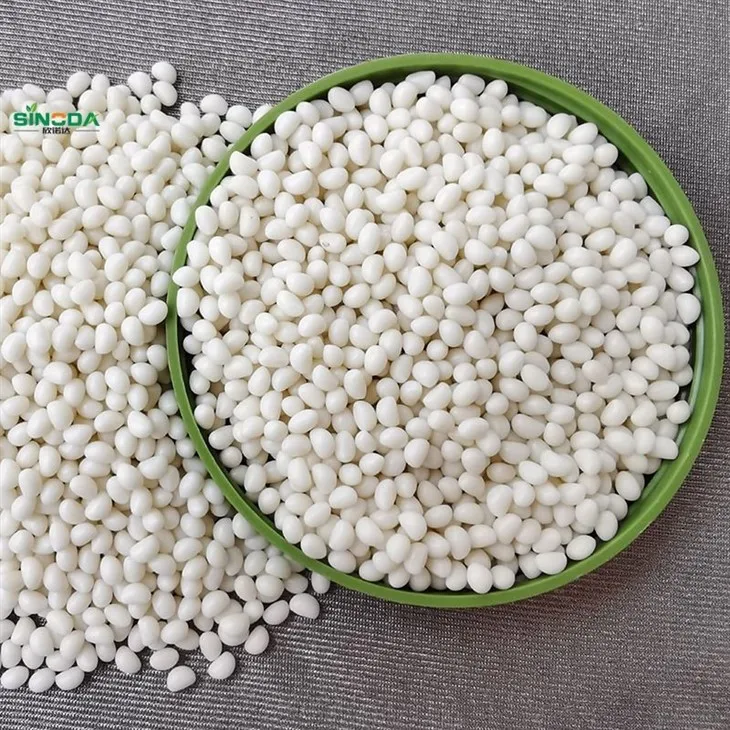
First things first, let's quickly go over what hot-melt adhesive is. It's a thermoplastic adhesive that's solid at room temperature. When heated, it turns into a liquid that can be applied to surfaces. Once it cools down, it solidifies again, creating a bond. There are different types of hot-melt adhesives, like Hot Melt Adhesive EVA 8001 C, Hot Melt Adhesive PUN White, and Hot Melt Adhesive PUN Nature Color, each with its own properties and ideal uses.

Surface Preparation
One of the most important steps in increasing bonding strength is proper surface preparation. If the surfaces you're bonding aren't clean and dry, the adhesive won't be able to form a good bond. Dirt, oil, and moisture can all get in the way and weaken the connection.
- Cleaning: Use a suitable cleaner to remove any dirt, grease, or debris from the surfaces. For example, if you're working with metal, you might use a degreaser. For plastic, a mild soap and water solution could do the trick. Make sure to rinse thoroughly and let the surfaces dry completely before applying the adhesive.
- Roughing: In some cases, roughening the surface can actually improve the bond. This gives the adhesive more surface area to grip onto. You can use sandpaper or a wire brush to create a slightly rough texture. Just be careful not to overdo it, as too much roughness can also cause problems.
Adhesive Application
How you apply the hot-melt adhesive also plays a big role in the bonding strength.
- Temperature: The temperature at which you apply the adhesive is crucial. Each type of hot-melt adhesive has an optimal application temperature range. If the adhesive is too cold, it might not flow properly and won't spread evenly. If it's too hot, it could break down and lose its bonding properties. Make sure to follow the manufacturer's recommendations for the specific adhesive you're using.
- Amount: Using the right amount of adhesive is important. Too little adhesive won't provide enough bonding strength, while too much can lead to messy joints and might not actually improve the bond. Apply the adhesive evenly across the surface, using the recommended thickness. A good rule of thumb is to apply just enough to cover the surface without excess.
- Pressure: Applying pressure while the adhesive is still hot can help improve the bond. This forces the adhesive into the pores of the surface and ensures good contact. You can use a clamp or a roller to apply pressure, depending on the application. Make sure to hold the pressure until the adhesive cools and solidifies.
Choosing the Right Adhesive
Not all hot-melt adhesives are created equal. Choosing the right adhesive for your specific application is essential for achieving strong bonding strength.
- Material Compatibility: Consider the materials you're bonding. Different adhesives work better with different materials. For example, some adhesives are better suited for bonding wood, while others are designed for plastics or metals. Make sure to choose an adhesive that's compatible with the materials you're using.
- Application Requirements: Think about the specific requirements of your application. Do you need a fast-setting adhesive? Is the bond going to be exposed to high temperatures or moisture? These factors will help you narrow down your choices and select the adhesive that's best for the job.
Storage and Handling
Proper storage and handling of the hot-melt adhesive can also affect its bonding strength.
- Storage Conditions: Store the adhesive in a cool, dry place. Exposure to heat, humidity, and sunlight can degrade the adhesive and reduce its performance. Make sure to keep the adhesive in its original packaging and follow the manufacturer's storage recommendations.
- Handling: When handling the adhesive, make sure to use clean tools and equipment. Contamination can also affect the bonding strength. Avoid touching the adhesive with your bare hands, as the oils from your skin can interfere with the bond.
Testing and Quality Control
Finally, it's important to test the bonding strength of your adhesive regularly. This can help you identify any issues early on and make adjustments as needed.
- Testing Methods: There are several methods for testing bonding strength, such as shear testing, peel testing, and tensile testing. Choose the method that's most appropriate for your application and follow the relevant standards and procedures.
- Quality Control: Implement a quality control program to ensure that the adhesive is being applied correctly and that the bonds are meeting the required strength standards. This can include regular inspections, testing, and documentation.
In conclusion, increasing the bonding strength of hot-melt adhesive requires a combination of proper surface preparation, correct adhesive application, choosing the right adhesive, and good storage and handling practices. By following these tips, you can ensure that your bonds are strong and reliable.
If you're interested in learning more about our hot-melt adhesives or have any questions about bonding strength, feel free to reach out. We're here to help you find the best solutions for your needs and ensure that you get the most out of our products. Let's start a conversation and see how we can work together to achieve your bonding goals.
References
- "Handbook of Adhesive Technology" by A. Pizzi and K.L. Mittal
- "Adhesives and Sealants Technology" by John W. Satas


