


Hey there! As a supplier of Hot Melt Adhesive EVA 8001 C, I often get asked about its curing time. It's a super important factor, especially when you're in a hurry to get your projects done or you're trying to optimize your production process. So, let's dig into what the curing time of Hot Melt Adhesive EVA 8001 C really is.
First off, what's curing time? Well, it's the amount of time it takes for the adhesive to dry and reach its full strength after it's been applied. For Hot Melt Adhesive EVA 8001 C, this time can vary depending on a few different things.
One of the biggest factors is the temperature. Hot melt adhesives work by melting at high temperatures and then solidifying as they cool down. The warmer the environment, the faster the adhesive will cool and cure. On the flip side, in a colder environment, the curing time will be longer. For example, if you're working in a room that's around 70°F (21°C), the adhesive might start to set within a few seconds and reach its full strength in about 10 - 15 minutes. But if it's a chilly 50°F (10°C), that full - strength time could stretch out to 20 - 30 minutes.
The thickness of the adhesive layer also plays a role. If you apply a thin layer of Hot Melt Adhesive EVA 8001 C, it'll cure much faster than a thick one. A thin layer has a larger surface area exposed to the air, which helps it cool down more quickly. Say you're using a thin bead for a simple bonding job; it could be ready to handle light stress in just a couple of minutes. But a thick, gloopy application might take upwards of half an hour to fully cure.

The materials you're bonding together can affect the curing time too. Some materials are better at conducting heat than others. For instance, metals are great heat conductors. When you bond two metal pieces with Hot Melt Adhesive EVA 8001 C, the metal will draw heat away from the adhesive, speeding up the curing process. On the other hand, materials like plastics or foams are insulators. They trap heat, which slows down the cooling and curing of the adhesive.
Now, let me tell you a bit about the benefits of using Hot Melt Adhesive EVA 8001 C. It's a really versatile adhesive. You can use it for all sorts of applications, from woodworking to packaging. It has a strong bond once it's cured, which means your projects will stay together for a long time. And compared to some other adhesives, it's relatively easy to work with. You just heat it up, apply it, and let it do its thing.
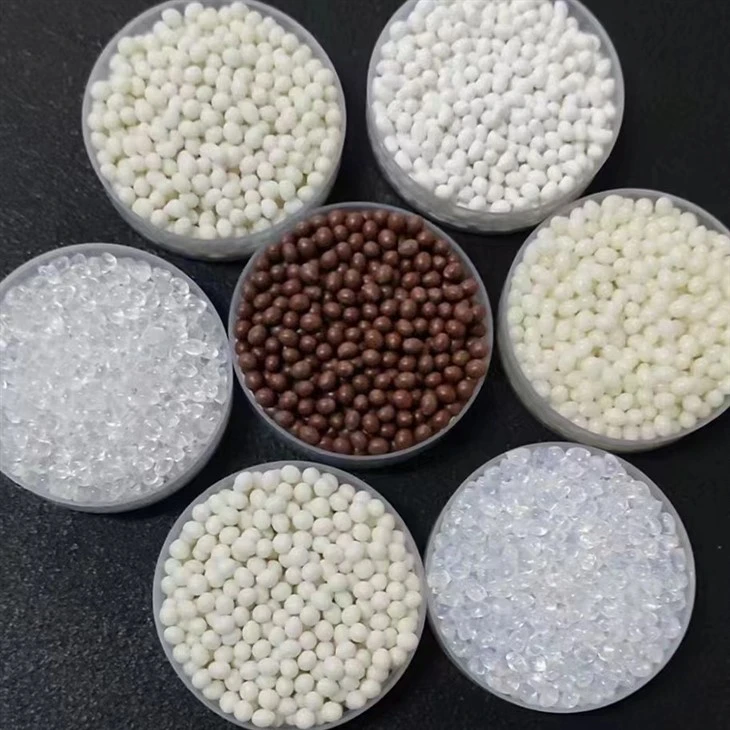
If you're looking for other types of adhesives, we also offer PUR Hot Melt Adhesive Modified Trace - less, Hot Melt Adhesive EVA 8001 B, and Hot Melt Adhesive PUN White. Each of these has its own unique properties and curing times, so you can choose the one that best fits your needs.
The PUR Hot Melt Adhesive Modified Trace - less is great for applications where you don't want any visible traces of the adhesive. It has a fast curing time and provides a strong, durable bond. The Hot Melt Adhesive EVA 8001 B is similar to EVA 8001 C but has slightly different characteristics, like a different melting point and bond strength. And the Hot Melt Adhesive PUN White is known for its clean, white appearance, making it ideal for projects where aesthetics matter.
When it comes to using Hot Melt Adhesive EVA 8001 C, here are some tips to help you manage the curing time. First, make sure your work area is at a consistent temperature. If possible, use a heater or cooler to adjust the temperature to the optimal range for the adhesive. Second, try to apply the adhesive evenly. A consistent thickness will ensure that the curing is uniform across the bond. And finally, be patient. Don't try to move or stress the bonded parts until the adhesive has fully cured. Otherwise, you might weaken the bond.
In conclusion, the curing time of Hot Melt Adhesive EVA 8001 C can range from a few seconds to half an hour or more, depending on temperature, layer thickness, and the materials being bonded. By understanding these factors and following the tips I've shared, you can make the most of this great adhesive.
If you're interested in purchasing Hot Melt Adhesive EVA 8001 C or any of our other adhesives, we'd love to talk to you. We can help you figure out which product is right for your project and answer any questions you might have about curing times or application methods. So, don't hesitate to reach out and start a conversation about your adhesive needs.
References:
- Industry knowledge and experience in hot melt adhesive manufacturing.
- Technical data sheets provided by adhesive manufacturers.


